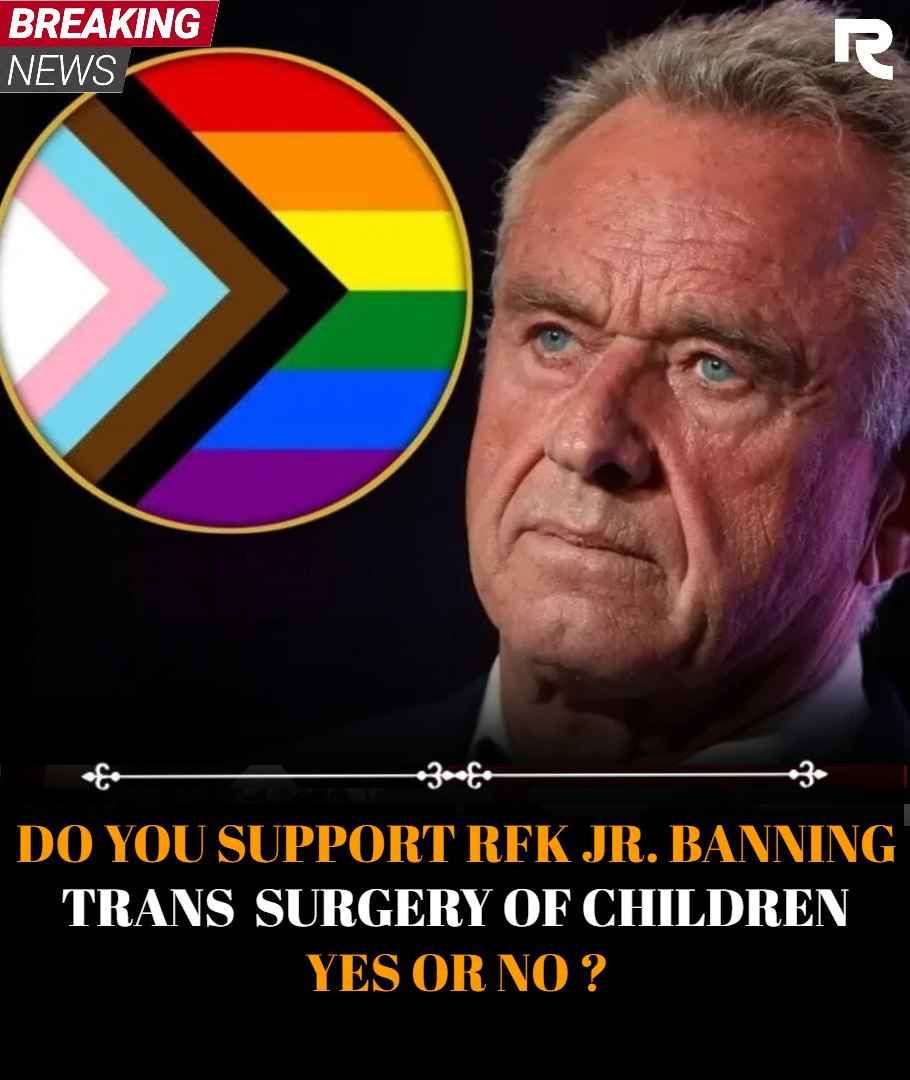
Recently, Robert F. Kennedy Jr. has made headlines for advocating policies that would restrict access to gender-affirming medical procedures for minors. Specifically, he has proposed banning surgeries and certain medical interventions for transgender children, a topic that has become highly controversial in U.S. politics. This post provides a neutral overview of the proposal, the context surrounding it, and the perspectives of various stakeholders.
Understanding the Proposal
The proposal centers on limiting medical interventions for individuals under 18 who identify as transgender. According to the policy, minors would be prohibited from undergoing surgeries such as genital reconstruction, chest surgery, or other irreversible procedures. The aim, as stated by proponents, is to protect children from making permanent medical decisions at a young age.
It is important to note that the policy does not prevent minors from discussing gender identity with healthcare providers, receiving counseling, or accessing puberty blockers and hormone therapy in some interpretations. The focus is specifically on surgical procedures.
Supporters’ Perspective
Supporters of the proposal argue that children and adolescents are not capable of making fully informed decisions regarding irreversible medical procedures. Their main points include:
- Protection of Minors: Advocates claim that banning certain surgeries safeguards young people from potential long-term consequences they may later regret.
- Medical Caution: Some supporters emphasize that the long-term effects of these surgeries on minors are not fully understood, suggesting that delaying irreversible procedures is a prudent approach.
- Parental and State Role: Proponents argue that parents and policymakers have a responsibility to protect children from medical interventions they might later question or reverse.
Also Read: Study finds women now make up half of all gamers
Opponents’ Perspective
Opponents of the proposal express concern that restricting access to gender-affirming care can have significant negative effects on transgender youth. Key points from critics include:
- Mental Health Concerns: Research indicates that transgender minors who are denied access to gender-affirming care may face higher risks of anxiety, depression, and suicidal ideation.
- Medical Guidelines: Many professional medical organizations recommend that access to gender-affirming care, including puberty blockers and in some cases surgery, can be appropriate under careful medical supervision.
- Autonomy and Support: Critics argue that denying surgeries removes an important option for minors who, with guidance from healthcare professionals, are seeking care aligned with their gender identity.
Broader Legal and Political Context
The proposal comes amid a wider national debate in the United States over transgender healthcare for minors. Various states have introduced legislation regulating or restricting gender-affirming care, including surgeries and hormone treatments. Courts and professional medical associations have sometimes intervened to clarify legal and medical standards, creating a complex landscape of laws and policies.
This topic is often intertwined with broader political debates, including discussions about parental rights, healthcare policy, and youth protection. Public opinion on this issue is divided, reflecting a combination of ethical, medical, and cultural considerations.
Potential Implications
If implemented, a ban on surgeries for minors could have several consequences:
- Healthcare Access: Transgender minors would face fewer medical options, potentially impacting their well-being and the approach of healthcare providers.
- Legal Challenges: The policy could be challenged in courts on grounds related to constitutional rights, healthcare access, and discrimination.
- Cultural and Social Debate: Such a ban may intensify discussions on gender identity, youth rights, and medical ethics, prompting further engagement from policymakers, educators, and advocacy groups.
Neutral Considerations
While the policy is framed as protective in intent, its impact is multifaceted. Neutral observers point out:
- The effectiveness of a ban depends on the enforcement mechanisms and exceptions included in the legislation.
- Medical consensus varies internationally, and there is no single approach universally agreed upon for transgender healthcare in minors.
- Any policy affecting minors’ healthcare must balance potential risks and benefits, taking into account the perspectives of medical professionals, parents, and the youth themselves.
Conclusion
Robert F. Kennedy Jr.’s proposal to ban certain transgender surgeries for minors has sparked significant discussion in the United States. Supporters view it as a protective measure, while opponents highlight potential mental health and medical concerns for transgender youth. The debate reflects broader societal conversations about youth autonomy, medical ethics, and the role of government in healthcare decisions.
Regardless of perspective, this issue remains complex, evolving, and closely tied to ongoing legal, medical, and cultural discussions in the U.S.